
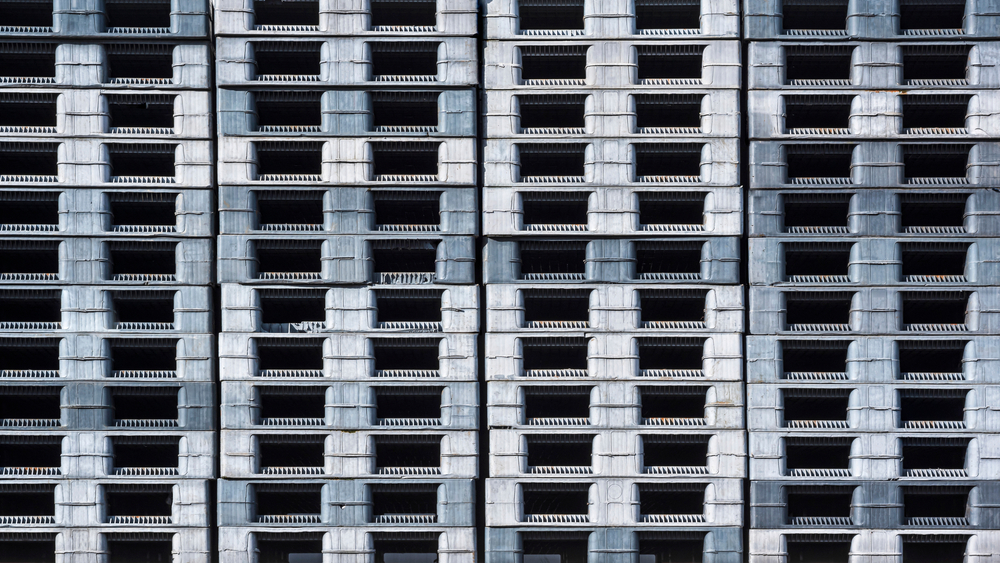
Pallets have long been a huge part of operations for many businesses and have transformed how they store, move and transport goods from warehouses all the way to the customer. Since the first pallet was invented, which was the wooden pallet in 1925, these solutions have become a staple part of the modern supply chain. They are so regularly used for storage and transportation, and even as product displays in shops, that businesses would struggle to operate efficiently without them. This is because they are designed to make these processes quicker, to keep up with demands. Pallets are made to be used with forklifts to manoeuvre goods with ease, and they also make lifting goods manually safer and quicker to protect handlers and create efficient movement throughout the supply chain. This easy loading and unloading onto transportation vessels ensures that customers and end-users gain the highest quality products due to the faster times. On top of this, pallets provide protection for goods to keep them intact throughout each stage of the process.
Over the years, pallets have taken on different forms and, now, there are two main types of pallets that are used across various industries. These are the traditional wooden pallets and the more contemporary, and very beneficial, durable plastic pallets. Even though wooden pallets were the original type of pallet and were relied on for many years, plastic pallets have completely transformed the way in which businesses operate. However, there are still so many businesses out there that haven’t unlocked the potential of the plastic pallet and are still relying on timber pallets, which can actually hinder their processes. So, if you’re still relying on wood and are wondering if there’s a more efficient and simple way to store, move and transport your products, then discover our blog on why are plastic pallets better than wood.
What Are Wooden Pallets?
Wooden pallets are the traditional type of pallet that is made from timber and has been relied on for many years for their exceptional strength. These types of pallets typically use hardwoods, such as oak, to provide excellent durability for long-term use. But, they can also come in softwoods, like pine, to create a lighter way to handle goods that are perfect for one-way shipments. Wooden pallets have been a reliable base for stacking products to make it easier to move heavy loads using forklifts, pallet jacks and other equipment. However, this type of pallet comes with major issues. For one, their lifespan isn’t that long because they are made from a natural material. This means that they can easily warp, crack, rot and break completely when exposed to the elements and used regularly. They can also harbour pests and create hygiene issues, like the spread of bacteria or contamination, because they are hard to clean and need to be treated for insects. Due to this, they can be quite costly and need to be replaced regularly, which calls for more devastation to the environment since more trees need to be cut to produce wood for these pallets. The massive environmental impact wooden pallets have is the main reason why other solutions need to be created to help protect habitats and trees and provide a greener future for the next generation.
What Are Plastic Pallets?
Plastic pallets are a sustainable alternative to traditional wooden pallets and are redefining the way storage and transportation operations are carried out. These are typically made from materials like high-density polyethylene (HDPE) or polypropylene (PP). They are crafted to support a wide range of goods during handling processes to provide stability and unparalleled protection. Since they are made with virgin plastic, with some even being made from a mixture of virgin and recycled plastic, they are much more hygienic because they can be cleaned thoroughly. They are also less prone to breakage and damage, even when exposed to the harshest elements, as they are highly resistant to moisture, chemicals and pests. This gives you a much longer lifespan than the traditional pallet and something you can rely on regularly. You can get them in many different types to find the ideal pallet for your needs, from heavy-duty plastic pallets to containers, giving you the choice to tailor the pallet to your industry.
The Benefits of Plastic Pallets
So, what are the benefits of plastic pallets? These innovative solutions bring numerous benefits to a variety of businesses and can make operations a lot smoother than when you use wooden pallets.
The first benefit is the materials that durable plastic pallets are made from. They are typically made from HDPE and PP, they are resistant to moisture, bacteria and other contaminants, which means they are very hygienic to prevent the contamination of products. Their smooth non-porous surface also ensures that no pests or insects make a home in the pallet, which can regularly occur with wooden ones, and they don’t need to be treated beforehand! This is key for industries that handle food, medicines and pharmaceuticals. The materials can easily be moulded into various shapes and sizes to easily cater to individual needs, providing you with a large range of choices to pick from, compared to wooden pallets. These materials also provide plastic pallets with unparalleled strength and durability, so you can use them for bulky and heavy items with no issues. They may look flimsy due to their lightweight design, but they are far from it and can actually provide you with a larger dynamic load than wooden pallets.
Alongside the material that is used for these innovative alternatives, the best way plastic pallets are redefining the traditional ones is that they are much kinder to our planet. Wooden pallets contribute massively to deforestation just to produce them, which impacts wildlife’s habitats and damages the environment. While durable plastic pallets don’t rely on natural materials. Instead, they are made with virgin plastic, which can be recycled once a pallet has reached the end of its service life. Plastic may seem bad for the environment, but not when it comes to pallets. This is because they have the ability to be recycled and transformed into something else or even a brand-new plastic pallet! The type of plastic used for pallets is also a whole lot tougher than other forms of plastic, so they can withstand heavier weights without breaking. It can also face the harshest environments and be exposed to different elements with no problems, unlike wooden pallets that can absorb moisture and break. This provides you with an exceptional lifespan that lasts for years to come, so you don’t have to keep on replacing your pallets and you can get more for your money. A lot of plastic pallets can last for over 10 years before they reach the end of their service life! This is another reason why these solutions are favoured when it comes to plastic pallets vs wood pallets, because their long life and reliability for regular use without cracking or warping is much more sustainable. On top of this, some plastic pallets are made from a mixture of virgin and recycled materials, giving old plastic a new lease of life and further improving their sustainability.
Overall, these durable plastic pallets are helping businesses across many sectors protect the planet and achieve their sustainability goals, all while streamlining storage, handling and transportation processes. They have taken the usefulness of the original pallet and turned it into something that can make them easier and quicker to keep up with modern demands, and provide businesses with so much more for their money.
Are Plastic Pallets Stronger Than Wood?
When it comes to a plastic pallet vs a wood pallet, many people wonder if plastic is truly stronger than its wooden counterpart. This is because plastic pallets appear much thinner and feel lighter than the traditional pallet. However, they are much stronger than they appear and can hold immense weight. Pallets hold different weights depending on the type and size they are, and they have a static load (the maximum weight a pallet can support when it’s stationary) and a dynamic load (the maximum weight a pallet can support when it’s in motion). Wooden pallets have a larger static load, depending on the type of wood it is made from, ranging from 1134kg to 2722kg. But, their dynamic load isn’t as impressive, ranging from 680kg to 1361kg.
Plastic pallets are stronger than traditional pallets, especially when it comes to their dynamic load. Their static load is a little less than that of wooden pallets, but it is still very impressive. This ranges from 907kg to 2268kg. However, their dynamic load is where durable plastic pallets really shine, allowing you to use them for high-impact tasks and heavy loads. This ranges from 771kg to 1814kg!
Are Plastic Pallets Better Than Wood?
So, are plastic pallets better than wood? When it comes to choosing which pallet to use, we can safely say that plastic pallets are better than wood. This is because they can take so much more weight when in motion and can be used for a wide variety of applications. They excel at heavy-duty, industrial tasks and can thrive in even the harshest of environments. Alongside this, they are extremely durable and don’t break, crack or warp under pressure, unlike their wooden counterparts. This durability provides you with a long-lasting solution to streamline your storage and transportation processes, making your goods easier to handle and your processes much quicker. If this wasn’t enough, they also help to save the planet and create a greener future for everyone.
Buy a Range of Durable Plastic Pallets at INKA
Now you know the answer to are plastic pallets stronger than wood, why not invest in these innovative solutions? At INKA Pallets, we have a large collection of durable plastic pallets in all different styles and sizes to meet your needs. From closed-decked pallets to heavy-duty plastic pallets, you can easily find the best solution for you. Take a look at our plastic pallet range today and contact us for more information.